ANTIMICROBIAL RESISTANCE (AMR)
A GLOBAL HEALTH & DEVELOPMENT THREAT
"In 2019, WHO declared AMR one of the top 10 global public health threats facing humanity. Annually, AMR infections results in an estimated 1.27 million deaths worldwide which is more than malaria and HIV/AIDS."
What is Antimicrobial resistance (AMR) ?
Antimicrobial Resistance (AMR) occurs when bacteria, viruses, fungi and parasites change over time and no longer respond to medicines making infections harder to treat and increasing the risk of disease spread, severe illness and death.
Who we are...
What we do...
OUR MISSION
An antimicrobial-resistance-aware community where each member takes personal and collective responsibility to help mitigate the AMR crisis.
OUR VISION
To contribute towards the elimination of indiscriminate antimicrobial consumption through collaborative efforts by community members, healthcare professionals, and other academic fields in combating antimicrobial resistance.
OUR NETWORK

IGANDO KINYUA
AMR NOW NETWORK MEMBER Field: Journalism and mass media communication Personal Profile
ODIWUOR BYRONE
AMR NOW NETWORK MEMBER Field: Journalism and mass media communication Personal Profile
NDEGE NGERE D.
AMR NOW NETWORK MEMBER Field: Journalism and mass media communication Personal Profile


Models & One Health approach
Six community-facing models support action across the One Health system.
Projects & ways to join
AMR Frequently Asked Questions (FAQs)
Antimicrobial resistance occurs when bacteria, viruses, fungi and parasites change over time and no longer respond to medicines making infections harder to treat and increasing the risk of disease spread, severe illness and death. As a result of drug resistance, antibiotics and other antimicrobial medicines become ineffective and infections become increasingly difficult or impossible to treat.
Antimicrobials - including antibiotics, antivirals, antifungals and antiparasitics - are medicines used to prevent and treat infections in humans, animals and plants.
- Antibiotics - treat bacterial infections
- Antivirals - treat viral infections
- Antifungals - treat fungal infections
- Antiparasitics - treat parasitic infections
Microorganisms that develop antimicrobial resistance are sometimes referred to as "superbugs". These are strains of bacteria, viruses, parasites and fungi that are resistant to most of the antibiotics and other medications commonly used to treat the infections they cause.
Antimicrobial resistance occurs naturally over time, usually through genetic changes. Antimicrobial resistant organisms are found in people, animals, food, plants and the environment (in water, soil and air). They can spread from person to person or between people and animals, including from food of animal origin.
NO. Humans or animals do NOT become resistant to antimicrobials; it is the microbes (bacteria, viruses, fungi, parasites) that become resistant to the medicines designed to kill them.
The main drivers of antimicrobial resistance include:
- The misuse and overuse of antimicrobials in humans, animals and plants.
- Lack of access to clean water, sanitation and hygiene (WASH) for humans and animals.
- Poor infection and disease prevention and control in healthcare facilities and farms.
- Poor access to quality, affordable medicines, vaccines and diagnostics.
- Lack of awareness and knowledge.
- Lack of enforcement of legislation.
Antimicrobial misuse includes any scenario where medicines are used incorrectly, such as:
- Taking antibiotics for viral infections like colds, flu or sore throats.
- Not completing the prescribed course of treatment.
- Sharing or using leftover antibiotics from previous treatments.
- Self-medicating and buying antimicrobials over the counter without prescription.
- Overuse of antimicrobials in livestock for growth promotion rather than disease treatment.
AMR is a critical global public health threat because:
- Standard treatments become ineffective; infections persist and easily spread to others.
- Routine medical procedures like chemotherapy, organ transplants and surgeries become significantly higher risk.
- Increases treatment costs due to longer hospital stays, extensive testing and expensive second-line medicines.
Individuals can take vital actions to slow the spread of resistance:
- Only take antimicrobials when prescribed by a certified healthcare professional.
- Always complete the full prescribed treatment course, even when feeling better.
- Never demand antibiotics if your healthcare worker says you don't need them.
- Prevent infections by regularly washing hands, practicing food hygiene, and keeping vaccinations up-to-date.
- Never share or use leftover antimicrobials.
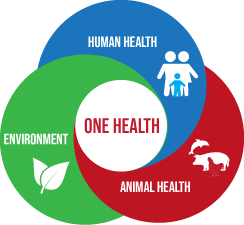
One Health is an integrated, unifying approach that aims to sustainably balance and optimize the health of people, animals and ecosystems.
It recognizes that the health of humans, domestic and wild animals, plants, and the wider environment are closely linked and inter-dependent. Effectively addressing AMR requires collaborative action across human medicine, veterinary science, agriculture, and environmental management.
AMR Now Network
Igando Kinyua
Igando is dedicated to science communication and media advocacy, helping translate complex antimicrobial resistance topics into engaging, accessible public health campaigns across communities in Kenya.

AMR Now Network
Eric Maina
Eric specializes in strategic media communications, digital outreach, and youth engagement, empowering communities to adopt responsible antimicrobial use habits and infection prevention measures.
AMR Now Network
Odiwuor Byrone
Odiwuor drives grassroots community initiatives, scout and youth outreach, and creative One Health storytelling to mobilize collective action against superbugs.
AMR Now Network
Ndege Ngere D.
Ndege works across media advocacy and public relations, coordinating educational forums and institutional partnerships to raise AMR awareness throughout Kisii and western Kenya.